







Community: Programs

BEACH RENTAL RESERVATIONS

.(JavaScript must be enabled to view this email address)

Reservations Toll-free U.S. & Canada
1-866-443-0056


Reservations Office Hours

8 am - 4 pm M - F Central time
8 am - 12 pm Sat Central time
Closed Sundays
Inquiries answered within 1 business day


Administration Office
011-52-327-273-0543


Reservations Mexico (044) o (045) Celular 322-779-8113

TITLED PROPERTY SALES

.(JavaScript must be enabled to view this email address)

Direct Dial from U.S.
011-52-1-322-294-1477
Within Mexico
Puerto Vallarta 044-322-294-1477
Outside Vallarta 045-322-294-1477
Toll-free from U.S. & Canada
Property Sales 1-800-320-7769

Mexico's Leading Eco-Resort

Turtle, Crocodile, and Future Programs

The Camp is staffed from mid-May through late-December with full-time veterinary and biologist technicians, and volunteers when available. Volunteers have certain work duties during their stay. The volunteers give their time with the realization that they are present to serve a good cause.

Sea Turtle Program

Measuring a mother sea turtle while she lays her eggs
enlarge

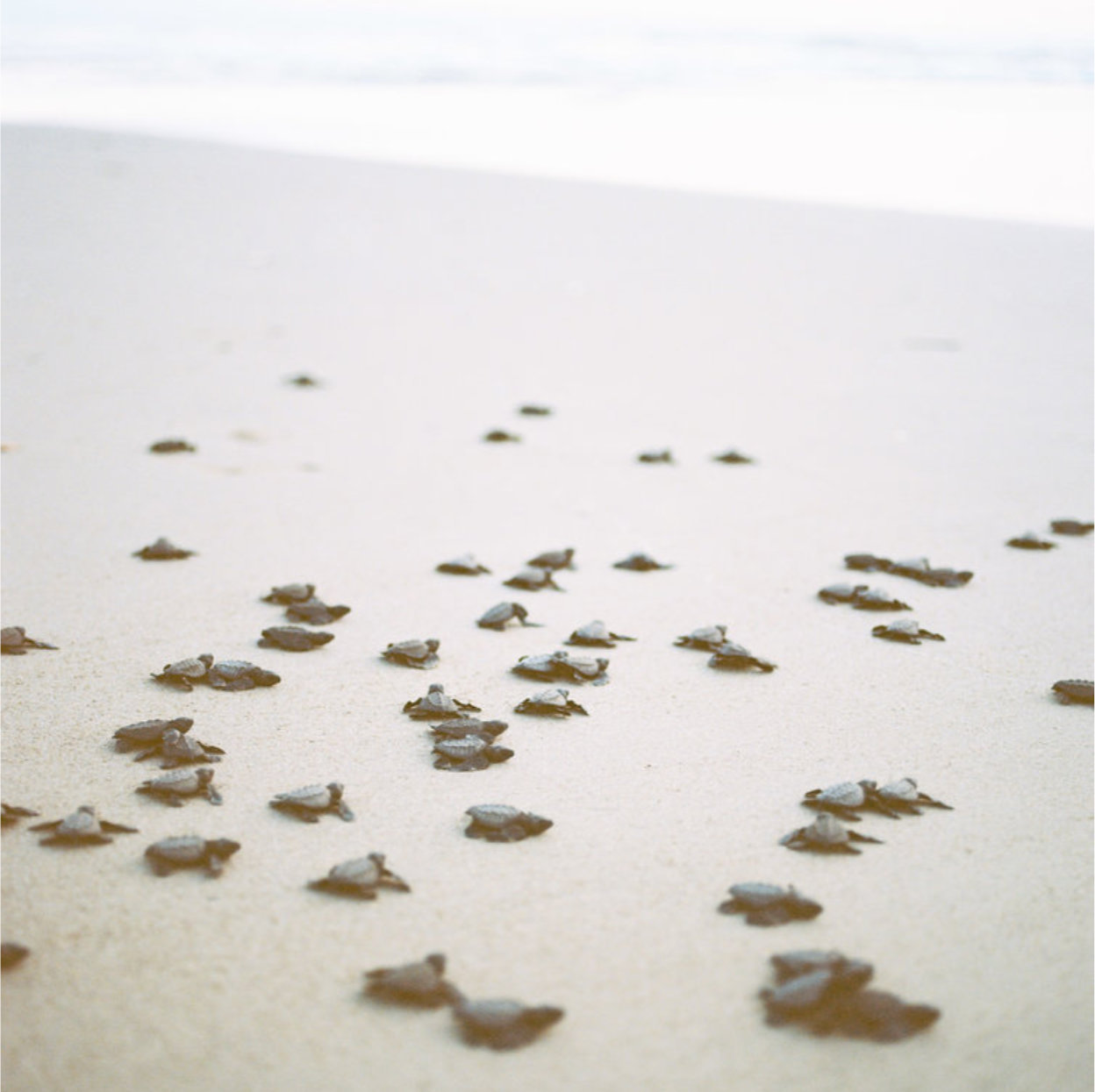
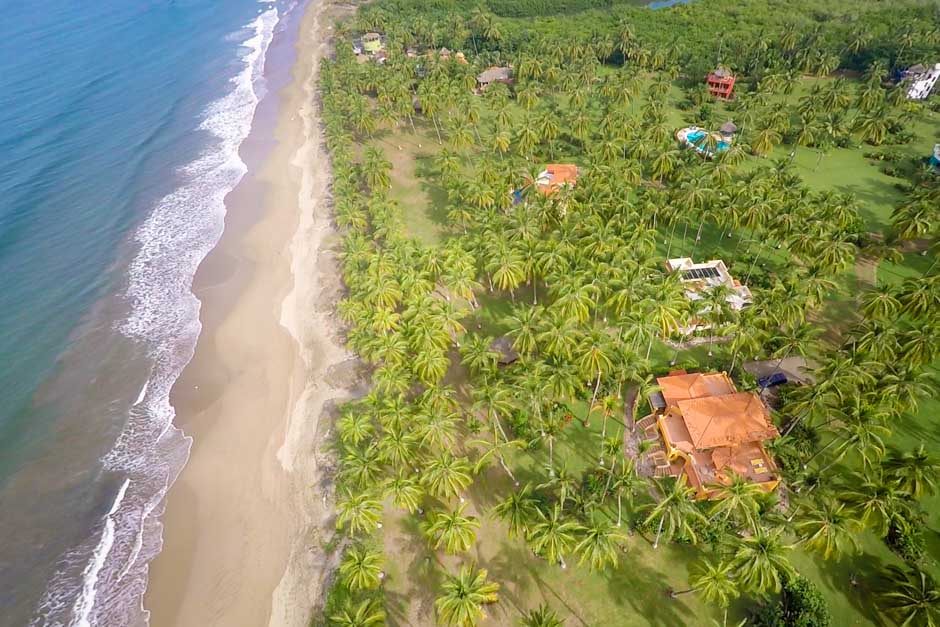
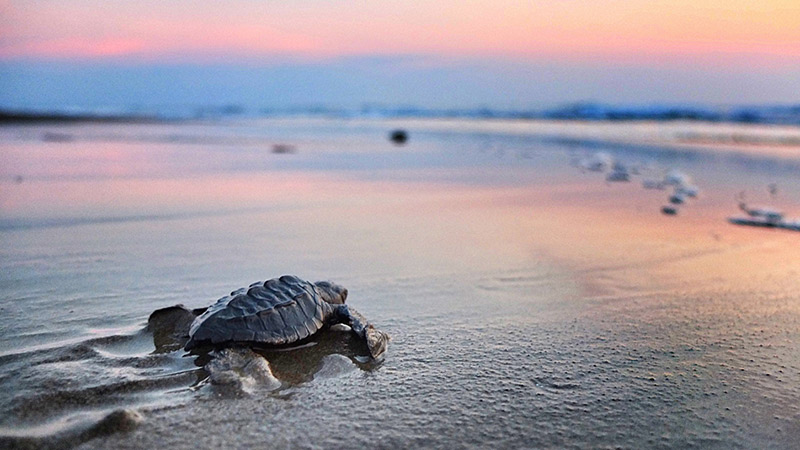
The sea turtle program consists of: night-time Turtle Patrols of the first five miles of adjoining beach; collection of nests for incubation; liberation of hatchlings; monitoring of tides, weather, and moon phases; monitoring of nests used as a control group; the recording of numbers, measurements, and other data; and in the future tagging of adult turtles. The object of Turtle Patrol is to locate turtle nests as soon as the eggs are laid, place the eggs in special incubation areas where they can be protected from predators including man, and help control temperature and humidity of the nesting area in order to achieve a significantly higher hatch rate. After hatching, the nests are cleaned and baby turtles are released at night, again to protect them from predators and from succumbing to hot sun and sand.

Crocodile Program

Baby crocodile at the Turtle Camp

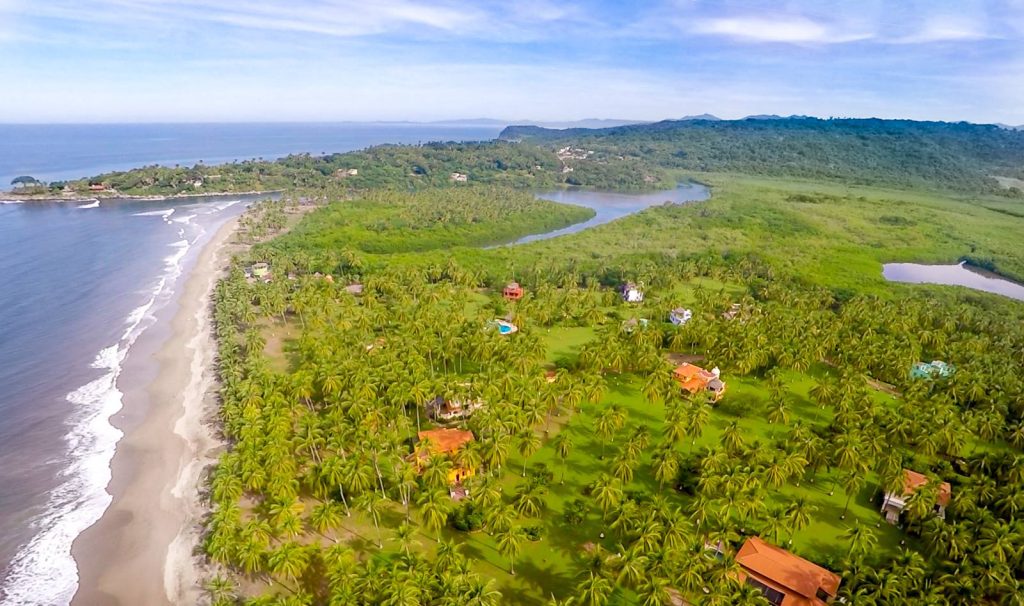
The estuary is home to a species of crocodile mostly unique to Mexico, which does not have homo sapiens as part of its food chain but nevertheless has been hunted vigorously. The crocodile program includes census of the crocodile population in the estuary, measurements and tagging, collection of nests and incubation, care of young in captivity until release, and establishment of nesting zones in the estuary and protection of these areas. Sections of the estuary may be closed to the public for the benefit of the crocodiles.

Future Programs

After the volunteer base becomes more consistent, the Camp hopes to begin accepting visits from ecotourists and students or professionals who will visit and or work in the Camp for educational purposes. The educational programs may include introductions to flora and fauna, university-driven programs for scientific investigation and thesis work, basic classes in Spanish for foreigners, and classes in Mexican culture and art.